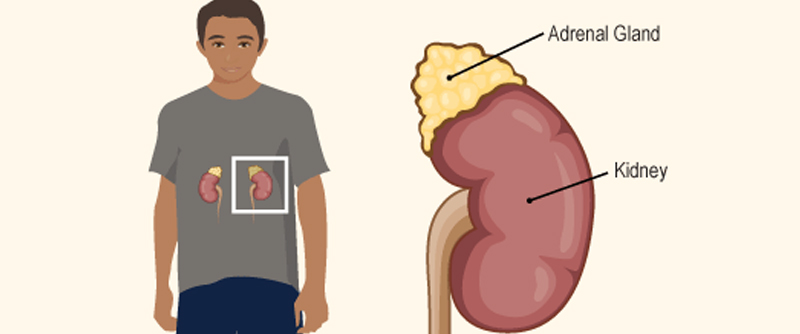
Adrenal Disorders
Pediatric adrenal disorders are conditions that affect the adrenal glands, two small glands located above the kidneys responsible for producing hormones essential for growth, metabolism, stress response, and salt-water balance. These disorders can lead to significant health issues in children, affecting physical development, growth, and energy levels. Below is an overview of common pediatric adrenal disorders, their causes, symptoms, diagnosis, and treatments.
Congenital Adrenal Hyperplasia (CAH)
- Cause: CAH is a genetic disorder, usually due to a deficiency in the enzyme 21-hydroxylase, which is necessary for cortisol and aldosterone production. This deficiency leads to an overproduction of androgens (male hormones).
- Symptoms:
Classic CAH (severe form) presents in infancy with ambiguous genitalia in females, early signs of puberty, rapid growth in childhood but shorter adult height, and salt-wasting crisis (severe dehydration and electrolyte imbalance).
Non-Classic CAH (milder form) may appear later with early pubic hair, rapid growth, and irregular menstrual cycles in girls. - Diagnosis: Blood tests measuring cortisol, 17-hydroxyprogesterone, and electrolyte levels. Genetic testing confirms CAH.
- Treatment: Lifelong hormone replacement therapy (hydrocortisone for cortisol deficiency, fludrocortisone for aldosterone deficiency), with salt supplements in salt-wasting forms. Hormone doses are adjusted during stress or illness, and surgical options may be considered for genital ambiguity.
Adrenal Insufficiency (AI)
- Cause: AI can be primary (Addison’s disease) due to adrenal gland damage, secondary due to pituitary dysfunction, or tertiary due to hypothalamic issues. Causes include autoimmune disease, genetic conditions, infections, or prolonged steroid use.
- Symptoms: Fatigue, muscle weakness, low blood pressure, darkening of the skin (in primary AI), salt cravings, weight loss, nausea, and hypoglycemia.
- Diagnosis: Blood tests showing low cortisol and, if primary AI, high ACTH (adrenocorticotropic hormone). An ACTH stimulation test may confirm the diagnosis.
- Treatment: Cortisol replacement therapy (e.g., hydrocortisone) and mineralocorticoid replacement (fludrocortisone) if aldosterone is also deficient. Regular monitoring and stress-dose adjustments during illness or surgery are necessary.
Cushing’s Syndrome
- Cause: Cushing’s syndrome in children often results from long-term use of corticosteroid medications, but can also be caused by adrenal tumors or ACTH-secreting pituitary tumors (Cushing’s disease).
- Symptoms: Weight gain, especially around the face (moon face) and abdomen, growth delay, thin skin, easy bruising, high blood pressure, stretch marks, and mood changes.
- Diagnosis: Cortisol level testing (e.g., 24-hour urine cortisol, salivary cortisol), dexamethasone suppression test, and imaging studies (CT or MRI) to locate the source of excess cortisol.
- Treatment: Gradual tapering of corticosteroids if medication-induced. For tumors, surgical removal, radiation, or medications to block cortisol production are options.
Primary Hyperaldosteronism (Conn’s Syndrome)
- Cause: Rare in children, this disorder results from adrenal gland overproduction of aldosterone, usually due to a benign adrenal tumor or adrenal hyperplasia.
- Symptoms: High blood pressure, muscle weakness, excessive thirst, frequent urination, and low potassium levels.
- Diagnosis: Blood tests showing elevated aldosterone, low renin, and hypokalemia. Imaging tests may locate adrenal tumors.
- Treatment: Surgical removal of the adrenal tumor if present. If adrenal hyperplasia is the cause, mineralocorticoid antagonists (e.g., spironolactone) may help manage symptoms.
Diagnosis of Pediatric Adrenal Disorders
- Hormone Testing: Blood and urine tests measure levels of cortisol, ACTH, aldosterone, catecholamines, and other adrenal hormones.
- Stimulation or Suppression Tests: ACTH stimulation and dexamethasone suppression tests help assess adrenal gland function.
- Genetic Testing: For congenital conditions like CAH and some forms of adrenal insufficiency.
- Imaging: Ultrasound, CT, or MRI scans may be needed to visualize adrenal tumors or gland abnormalities.
Treatment and Management of Adrenal Disorders
- Hormone Replacement Therapy: For adrenal insufficiency and CAH, replacing deficient hormones (cortisol, aldosterone) is key.
- Surgery: Tumors or overactive adrenal glands may require surgical removal.
- Medications: Mineralocorticoid antagonists for hyperaldosteronism, catecholamine-blocking agents for pheochromocytoma, and steroid tapering for Cushing’s syndrome caused by corticosteroids.